Modern-day construction relies on durable strong materials which can be used to build stable structures that last for decades. Steel reinforcement bars are one of the major products used in current infrastructure. Be it residential homes or commercial towers and bridges, these bars are erected right from the roots to give strength that will hold the weight and pressure endured by nature.
Top-notch reinforcement products are a must for builders, engineers, and suppliers of building materials to enhance the structure and ensure that it does not crack or collapse in order to prevent any long-term damage. For small construction tasks or larger business style development, the option for the adequate kind of building steel pubs is really a significant factor for safety and soundness.
Why Steel Reinforcement Bars Are Essential in Construction?
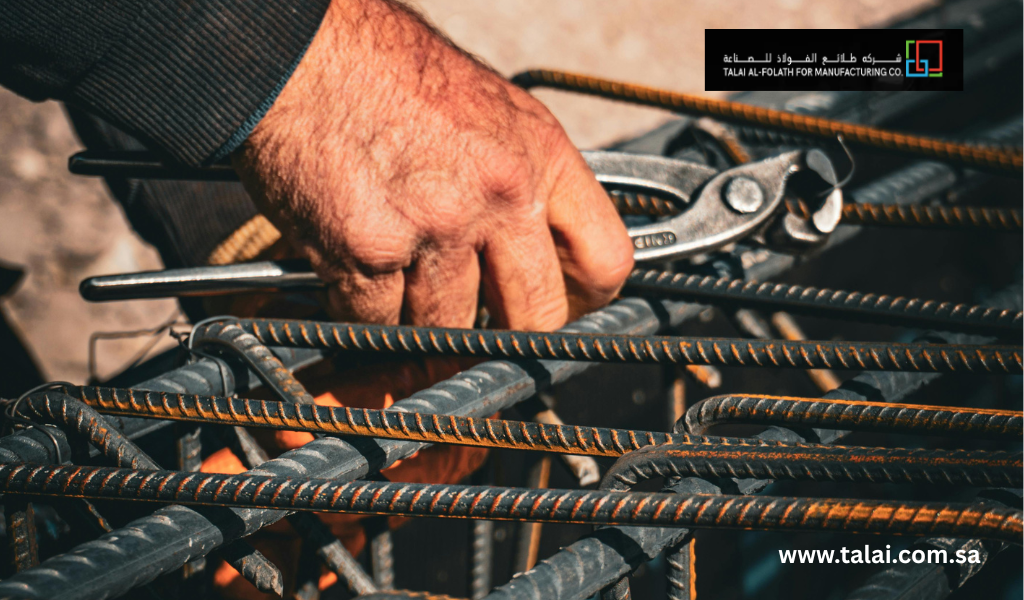
Concrete withstands compression very well, but it will crack under tension or bending forces. This is where the steel ribs have come into play. They are placed in concrete to enhance tensile strength and improve overall performance of the structure.
A properly installed reinforced steel bar system helps buildings:
- Resist earthquakes and vibrations
- Handle heavy structural loads
- Prevent cracking in walls and slabs
- Improve building lifespan
- Increase resistance to weather conditions
Because of these advantages, steel reinforcement remains one of the most trusted solutions in modern construction projects.
What Are Steel Reinforcement Bars Used for in Construction?
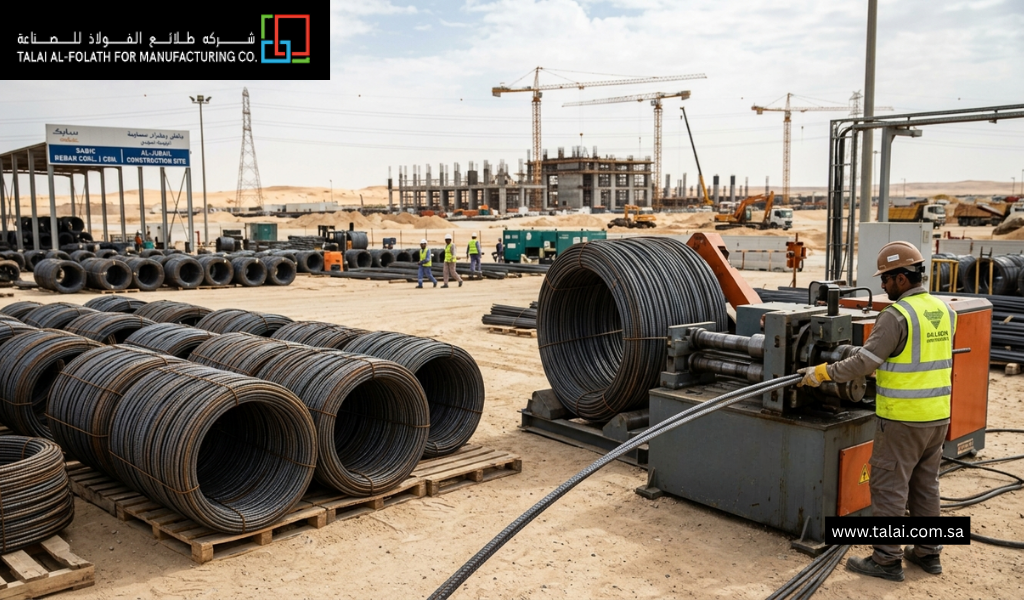
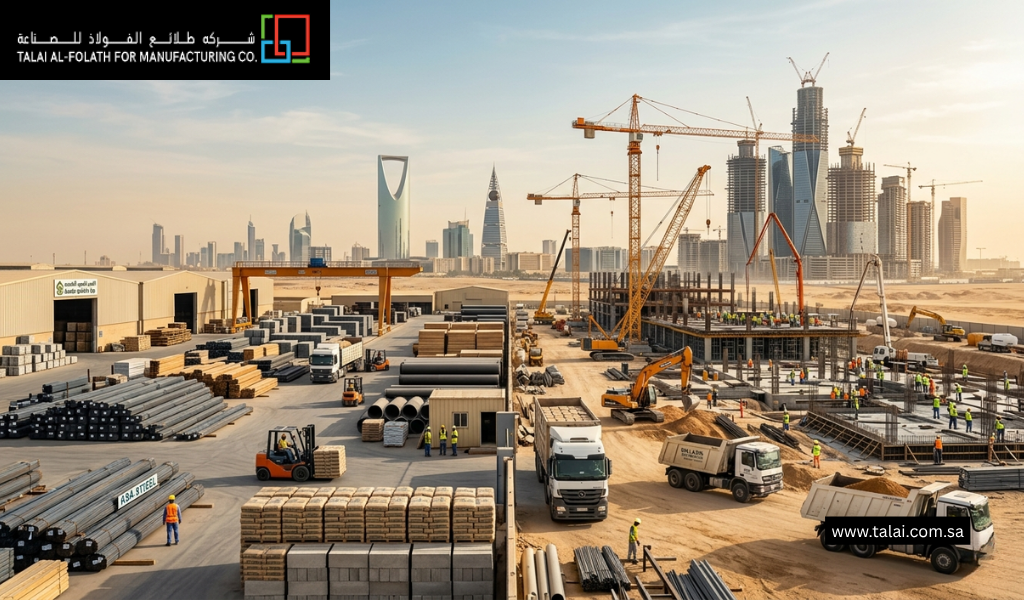
Steel reinforcement bars are used in almost every major structural component of a building. They provide stability and support in areas exposed to pressure, tension, and movement.
Common applications include:
Foundations
Reinforcement bars strengthen the building base and help distribute weight evenly across the structure.
Columns and Beams
These bars provide support to vertical and horizontal structural members, improving load-bearing capacity.
Concrete Slabs
Construction professionals use construction steel bars in floors, roofs, and pavements to minimise cracking and improve durability.
Bridges and Highways
Heavy infrastructure projects depend on reinforced steel systems to manage constant traffic loads and environmental stress.
Retaining Walls and Dams
A strong reinforced steel bar framework prevents structural movement and improves long-term performance.
What Types of Steel Reinforcement Bars Are Used in Construction?
Different construction projects require different types of reinforcement bars depending on strength, flexibility, and environmental conditions.
Mild Steel Bars
These bars are smooth and flexible, making them suitable for smaller construction projects where bending is required.
Deformed Steel Bars
Deformed bars have surface ridges that improve bonding with concrete. They are widely used in commercial and residential buildings.
Thermo-Mechanically Treated (TMT) Bars
TMT bars are highly durable, corrosion-resistant, and capable of handling seismic pressure. They are among the most preferred steel reinforcement bars in modern construction.
Epoxy-Coated Bars
These bars are designed to resist corrosion in humid or coastal environments.
Stainless Steel Reinforcement Bars
Used in specialised projects, these bars offer exceptional durability and resistance to rust.
Reliable building materials suppliers often help contractors select the right reinforcement solution based on structural requirements and project budgets.
Read More: Steel Reinforcement Bars: Types, Benefits, and Applications in Modern Construction
How Are Steel Reinforcement Bars Manufactured?
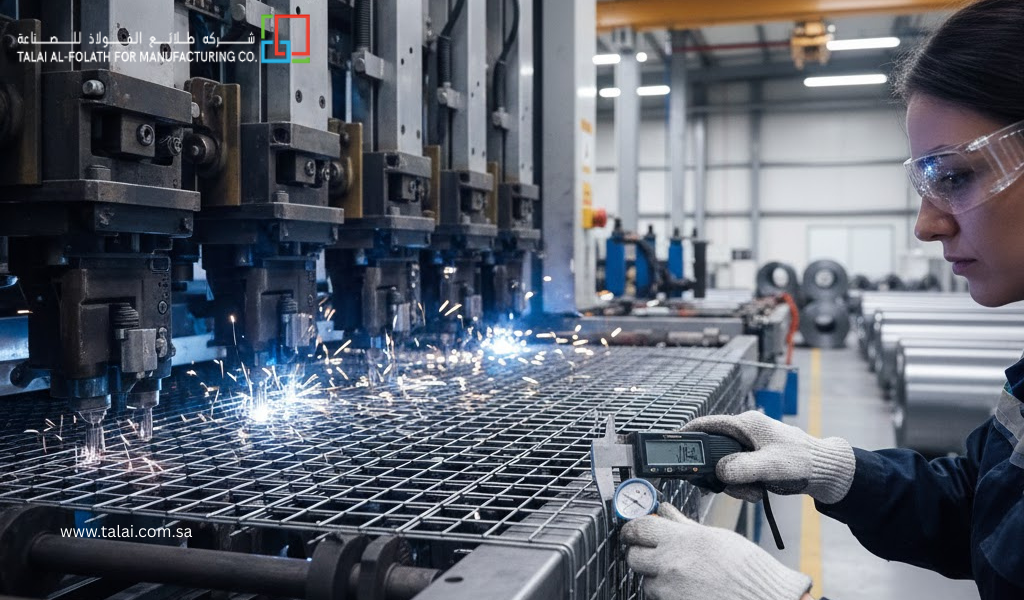
The manufacturing process of steel reinforcement bars involves several carefully controlled stages to ensure quality, strength, and durability.
1. Raw Material Selection
Manufacturers begin with high-quality steel billets or recycled steel materials.
2. Heating Process
The steel is heated at extremely high temperatures until it becomes flexible enough for shaping.
3. Rolling
The heated steel passes through rolling mills to create bars of specific diameters and sizes.
4. Surface Formation
Ridges and patterns are added to improve the bond between concrete and the reinforced steel bar.
5. Cooling and Strengthening
Advanced cooling techniques improve hardness, flexibility, and resistance to stress.
6. Quality Testing
Bars undergo strict testing for tensile strength, ductility, and corrosion resistance before reaching the market.
Professional building materials suppliers typically source certified reinforcement products to maintain construction quality and safety standards.
Benefits of Using High-Quality Construction Steel Bars
Choosing premium construction steel bars offers several long-term advantages for builders and property owners.
Improved Structural Safety
Reinforced structures can better withstand earthquakes, heavy loads, and environmental changes.
Enhanced Durability
High-grade bars resist corrosion, moisture, and cracking, reducing maintenance costs.
Better Flexibility
Steel reinforcement adapts well to different architectural designs and structural requirements.
Cost Efficiency
Although quality materials may require a higher initial investment, they reduce repair and replacement expenses over time.
Sustainable Construction
Modern steel manufacturing often uses recyclable materials, supporting environmentally responsible building practices.
How to Choose Reliable Building Materials Suppliers?
Selecting trustworthy building materials suppliers is just as important as choosing the right reinforcement bars.
Consider these factors before purchasing:
- Product certification and compliance
- Industry experience
- Availability of multiple bar grades and sizes
- Competitive pricing
- Delivery reliability
- Customer support and technical guidance
Working with experienced suppliers ensures your project receives durable and certified reinforcement materials suitable for long-term performance.
Conclusion
Steel reinforcement bars used for reinforced concrete is one of the necessary parameters that contribute to building safety, strength and durability in today’s construction industry. These bars are used to provide structure for residential developments as well as large infrastructure projects to carry heavy loads and meet the challenges of the environment.
Selecting high-quality construction steel bars from reputed suppliers of building materials ensures reliable performance, lower maintenance costs and long life of structural stability. When you are developing a home, office or industrial building, investing in reinforcement steel bar solutions can make all the difference to the success of your project.
FAQ’s Related to steel reinforcement bars
1. Why are steel reinforcement bars important in construction?
Steel reinforcement bars improve concrete strength, prevent cracking, and enhance the structural safety of buildings.
2. What is the difference between mild steel bars and TMT bars?
Mild steel bars are flexible and smooth, while TMT bars are stronger, more durable, and resistant to corrosion and earthquakes.
3. Where are construction steel bars commonly used?
They are used in foundations, columns, beams, bridges, slabs, highways, and retaining walls.
4. How do I choose the right building materials suppliers?
Look for suppliers that provide certified products, competitive pricing, industry expertise, and reliable delivery services.
5. Are steel reinforcement bars resistant to corrosion?
Certain types, such as epoxy-coated and stainless steel bars, offer excellent corrosion resistance for humid and coastal environments.